
Dentist Near Me
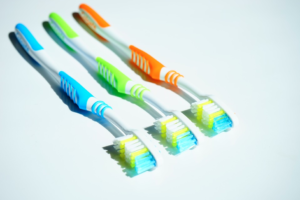 Do you ever think about your toothbrush? You use it twice a day, but how much do you know about it? We’ve compiled a list of interesting toothbrush facts. The next time you brush, consider these bits of trivia.
- Toothbrushes may be less common than mobile devices
It is believed that more people own and use a mobile device than those who own and use a toothbrush. With nearly 8 billion mobile devices, the world has more mobile phones, tablets, and other gear than people. However, only 3.5 billion people are estimated to use a toothbrush.
- Origin story
It is believed that the first modern toothbrush was invented by a prisoner in England. Sometime around 1780, William Addis created a toothbrush from bone and used swine bristle for the brush.
- A long history
Long before Mr. Addis invented what we know as the toothbrush, ancient Egyptians, Babylonians, and Chinese crafted tools for cleaning their teeth. The ancient Chinese used “chewing sticks” to freshen breath as early as 1600 BCE.
- What are the bristles?
Originally, toothbrush bristles were primarily made from cow hairs or boar hair. Today, nylon is the material of choice, and has been since the 1930s.
- What color is your toothbrush?
Blue is the most common toothbrush color. The second most common color is red.
- A home for bacteria
More than 100 million bacteria call your toothbrush home. You don’t get sick regularly because, like your toothbrush, your mouth is home to hundreds of millions of bacteria. Your body is quite effective at fighting off these germs, but if you don’t change your toothbrush regularly or share with someone else, you might catch an illness.
Now that you are a toothbrush expert, spread the word about the importance of regular brushing. Be sure to brush for two minutes twice each day. The American Dental Association recommends that you change your toothbrush every three to four months. If you have a weakened immune system or have been sick recently, you should replace your toothbrush.
For more dental care tips, or to schedule your next visit to our office, please contact us.
4320 Genesee Ave.,
Suite 101, San Diego, CA 92117
Phone: (858) 496-7521
 Brushing your teeth is the cornerstone of your oral health care – but is there room for improvement? Use our guide to determine if you’ve fallen into these common brushing habit mistakes, so you can keep your smile healthy and bright.
 Probiotics are typically advertised as being helpful for digestion. However, studies have shown that they can also improve oral health. Probiotics are beneficial for fighting infections that lead to oral disease.
 Coffee is well-known as hazardous to teeth, but there are things you can do besides cut it out completely. Here are some things to know about coffee’s effects on your oral health and diet, as well as how to mitigate them.
 Most serious oral health issues can be prevented by maintaining an effective routine of dental hygiene and in-office care. However, you could be at higher risk for some oral illnesses due to hereditary factors. Awareness and proper treatment can help minimize these risks. Here are a few of the most common oral health concerns that are affected by genetics.
 When you travel by plane, your flight attendant will advise that in the rare case of an emergency, you must first put on your air mask before attempting to help those around you. When this is not followed, the results can be catastrophic, both for you and for those you might otherwise have been in a position to assist. While this is crucial information for all, many women particularly require this gentle reminder to prioritize their own needs above those of others.
 Men, dental examinations and treatment are important for you, too. Did you know according to the Academy of General Dentistry (AGD), by age 72 men lose an average of 5 teeth? That number jumps to 12 if you are also a smoker. Here’s what you need to know about keeping your mouth healthy. Follow these tips and you can beat the odds stacked against men and their oral health.
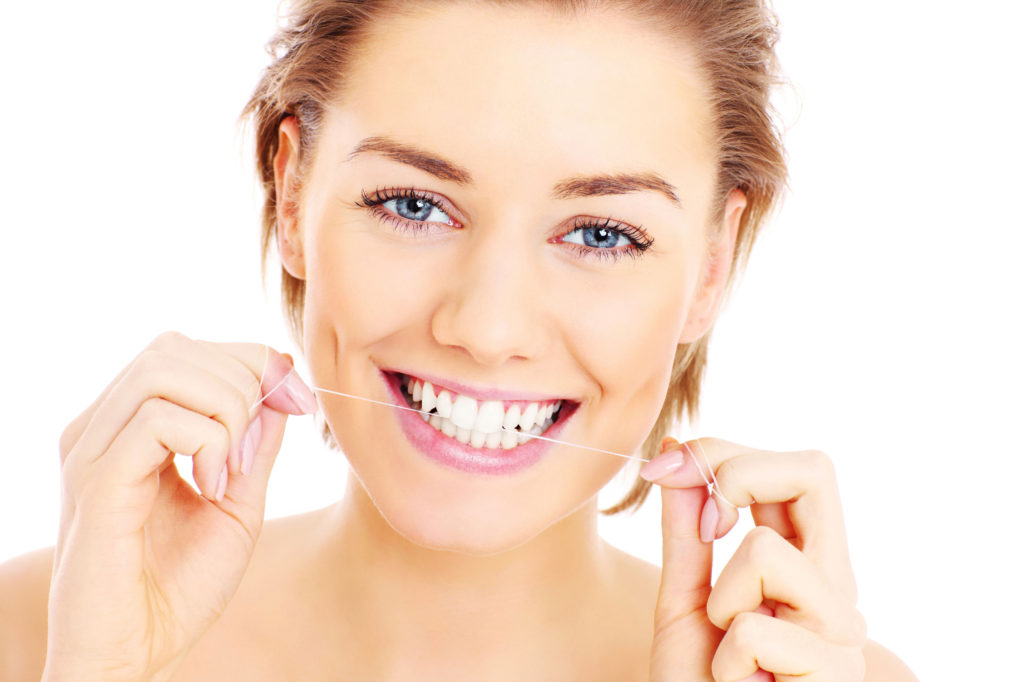 We’ve all been told at least once in our life that flossing daily is crucial. Here are four reasons why flossing may be beneficial for your oral health routine:
 Calcium is an important mineral for building strong, healthy teeth, but not everyone can tolerate the lactose found in dairy. Lactose is a sugar found in milk and other dairy products. About 65% of people have reduced ability to process lactose past infancy.
 Your mouth is a gateway to the rest of your body. Bacteria of all kinds are present in your mouth. While some are benign, others may pose a threat to your health. Maintaining a daily oral hygiene routine and visiting our dental office for regular appointments can help keep your mouth free of harmful bacteria. Below are 3 common ailments that have been shown to be negatively impacted by poor oral health. Read the information below if you suffer from any of these conditions and are worried that your oral health might be a contributing factor.