
Dentist in San Diego
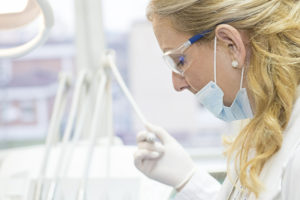 Dr. Taylor and Dr. Ramos want to remind patients that our office offers thorough oral cancer screenings as part of our comprehensive dental health services. Like with every form of cancer, early diagnosis can have a profound impact on the success of your treatment. Regular screenings are your first line of defense against oral cancer and our doctor is here to help.
In your screening, we will check your lips, tongue, gums, mouth, and throat for any abnormalities that could be or become cancerous. We will give careful consideration to any symptoms you may be experiencing. If you have experienced any oral cancer symptoms for more than a week without improvement, schedule an appointment immediately. Symptoms that could indicate oral cancer include:
- Ear pain
- Unexplained mouth bleeding
- Mouth sores that don’t heal
- White or red patches in your mouth
- Dramatic weight loss
- Lumps or swellings in or around your mouth
- Sore throat without other sinus symptoms
- Sensation of something caught in the back of your throat
- Pain or difficulty in swallowing, speaking, or moving your jaw or tongue
One adult American dies of oral cancer every hour. Though anyone can develop oral cancer, some factors can increase your risks. Some of the most common risk factors include: genetic predisposition, prolonged sun exposure, unhealthy diet, and excessive consumption of alcoholic beverages. Oral cancer is more common in men than women. Patients with gastro-esophageal reflux disease (GERD) are at increased risk. Users of tobacco in any form are six times more likely to develop oral cancer than non-users.
Whatever the cause, the success of treatment depends on the size, type, and stage of the cancer. Early detection can play a critical role in your successful recovery. When found in early stages, oral cancers have an 80 – 90% survival rate. The primary reason for this is that early detection leads to earlier treatment. Oral cancers that are found in early or precancerous stages can often be removed and require less invasive procedures to treat. Later stages of cancer are likely to be larger and more complex and often have spread far beyond your mouth.
We are accepting new patients. If you would like more information about oral cancers and oral cancer screenings, contact our office for a consultation.
 Every moment of your baby’s first year of life is precious, since every day your child grows a little, develops new skills, and discovers new things. Most of it is wonderful, but parents don’t like to see their babies in pain. That’s why teething can be such a hard experience. However, you can take steps to make it easier for you and your baby.
 Dr. Paul Taylor and Dr. Jann Manantan and our team at Paul Taylor DMD know this is an exciting time as you anticipate the arrival of your new little one. We want to take this opportunity to provide you with some important information pertaining to your oral health during pregnancy. Just as the rest of your body is changing, the amount of bacteria in your mouth also changes. Scientists don’t understand all the reasons why, but during pregnancy, your mouth is more susceptible to bacterial complications that could result in increased risk for gingivitis or periodontal disease. What researchers do know is the change in hormones creates a more favorable environment for gum infections and diseases when you are pregnant.
 Gum disease can be painful and lead to missing teeth if you don’t treat it properly. However, there are plenty of things you can do to lower your risk of getting gingivitis and periodontitis. Here are five easy ways to prevent gum disease.
 At Paul Taylor DMD, we know the human mouth contains a lot of bacteria. A bacterium can travel through your body with routine activities that are a normal part of daily living. You spread bacteria when you brush or floss your teeth, when you chew, and when you swallow.