
Dentist in San Diego
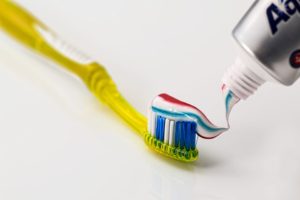 When buying a toothbrush, toothpaste, or coming in to our office, you often hear the word “plaque” associated with the health of your teeth. Plaque is one of the main reasons why it is so important to keep up with a daily oral hygiene routine that includes brushing two times each day for at least two minutes, and flossing regularly as well. Here’s what you need to know about plaque and what it can do to your smile.
What is Plaque?
If you haven’t brushed your teeth in a while, you might feel a film-like, sticky buildup on your teeth. This is plaque, a bacteria layer that grips onto your teeth. There isn’t anything you can do to stop plaque from forming, but brushing and flossing as well as keeping up with regular dental visits are your best defenses for cleaning plaque off your teeth.
What Plaque Does to Your Teeth & Mouth
Without regular brushing and cleaning, plaque builds up and multiplies. As plaque is left untreated, it hardens to form tartar (also known as calculus). Plaque also leads to decay, as it produces an acid that damages your teeth. When you come into our office for a dental examination, we thoroughly clean your teeth to ensure that any buildup is taken care of. Tartar can cause staining on your teeth if left untreated. Plaque is the leading cause of gingivitis, causing your gums to swell and become red or bloody.
What You Can Do
The most important steps of keeping plaque in check is to stick to a daily brushing routine. This means brushing twice each day, for two minutes each time, and flossing at least once daily. Plaque occurs naturally, and when you come into our office for a complete examination, we work with you to clean off any buildup. Maintaining regular visits to our office is one way to ensure tartar buildup is minimized and managed. It is particularly important that you are brushing your teeth all the way to the gum, because the gum line is an area that is prone to plaque buildup. Brush gently, as vigorous brushing will only do more damage than good, especially to your gums.
Sticking to your daily brushing and flossing routine will help keep your teeth free of plaque buildup. Make sure you are brushing in the morning and before bed. If you don’t brush before bed, bacteria and plaque will build up throughout the night. Schedule a visit to our office so our experienced, professional dental team can clean your teeth, giving you a smile you can be proud of.
For more tips on keeping your teeth healthy or to schedule your next visit, please contact our office.
 Wisdom teeth are the last new teeth that will enter your mouth. Most patients have some form of complications resulting from their wisdom teeth. Did you know that your wisdom teeth can impact your overall health? Here’s what you need to be aware of regarding your wisdom teeth.
 Taking care of your dentures can seem like an added chore. Don’t worry, with a little effort your dentures can stay clean. Here are 5 tips for keeping your dentures clean and your smile healthy.
 Men, dental examinations and treatment are important for you, too. Did you know according to the Academy of General Dentistry (AGD), by age 72 men lose an average of 5 teeth? That number jumps to 12 if you are also a smoker. Here’s what you need to know about keeping your mouth healthy. Follow these tips and you can beat the odds stacked against men and their oral health.
 The new year is a time when many consider making positive changes in their lives. Common goals include wanting to lose weight, exercise more, or quit a bad habit. What about vowing to improve your oral health this year? Here’s a few easy changes you can make that will lead to a happier, healthier smile in 2017.
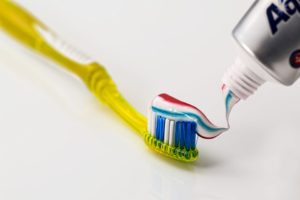 Many people may be surprised to learn that they have been brushing their teeth incorrectly for years. Improper brushing may cause oral health complications, including tooth enamel erosion and periodontal disease. Learn how to brush your teeth correctly and you can protect them for years to come.
 Normal flow of saliva provides lubrication for swallowing and begins the process of digestion while you chew. Saliva also protects your teeth by neutralizing and washing away acids, sugars, and other particles left behind after eating. From time to time, we all experience some amount of dry mouth. Hot weather, exercise, and dehydration can all cause a temporary decrease in saliva production. However, if you have chronic dry mouth, or xerostomia, you could be at risk of serious oral health complications.
 Periodontal (gum) disease is a progressive inflammation of the gum tissues. It is most frequently caused by bacterial infection. Left untreated, gum disease can have serious consequences for your oral and overall health. However, one of the biggest challenges for early detection and treatment of gum disease is its silence. Gum disease can often begin and progress with few or no symptoms until reaching an advanced stage.