
Dentist in San Diego
 You’ve heard people tell you to say “cheese” when you’re having your picture taken, probably more times than you can count. There is another reason you should be saying “cheese” … or “YES” to eating cheese.
Although Dr. Paul Taylor and Dr. Jann Manantan and our staff routinely encourage our patients to brush their teeth after eating, the one time you don’t want to do that, at least not immediately, is after eating cheese.
Study Finds Important Benefit From Eating Cheese
CBS News reported on the results of a study that was published in the May/June 2013 issue of General Dentistry, a publication of the Academy of General Dentistry. The study showed that cheese increases dental plaque pH, but in this case, the plaque increase isn’t a bad thing. When you eat cheese, you increase the pH of the plaque on your teeth, and create a protective coating that may lower your risk of getting dental caries — more commonly known as cavities.
An analysis of the story from the General Dentistry journal, including the details of the study and its participants, was published in Science Daily. The study looked at 68 children between the ages of 12 and 15. A similar study was conducted by British researchers who reported their findings in the British Dental Journal in 1999.
How the Study Worked
For the 2013 study, researchers divided kids into three groups. Participants in group one ate cheddar cheese. Participants in group two drank milk, while participants in group three ate sugar-free yogurt. All participants were told to eat or drink their assigned foods for three minutes, after which they swished water in their mouths.
Researchers tested every participant’s mouth at ten, 20, and 30-minute intervals. They found no changes in the mouths of participants in the milk drinking and sugar-free yogurt eating groups, but every time they tested the pH levels in the mouths of the ones who had eaten cheese, researchers saw the levels quickly increased.
They concluded that cheese has anti-cavity properties. That isn’t the only benefit, however. Another study, in which related findings were reported, appeared in the Journal of Contemporary Dental Practice in the summer of 2000. In that study, researchers found that cheese may give teeth a protective coating that helps lessen enamel erosion caused by acidic foods, particularly from sugar-sweetened soft drinks.
So don’t just say cheese for pictures. If you want to have a happy, healthy and long-lasting smile, go for cheese. It’s good for your bones, too!
 When you have dental issues or just need routine care, you may try to put off making an appointment at Paul Taylor DMD. Common reasons for procrastination are not having the time or fear of pain. Avoiding Dr. Paul Taylor and Dr. Jann Manantan is not a good idea, though. Putting off dental care can turn small problems into large ones. Short appointments turn into long ones with significantly more work and expense.
 Every six months or so you head down to your local dentist for a teeth cleaning, but have you ever thought that your dentist could one day be famous? Well, the chances are unlikely, however, there have been a number of dentists throughout history that have achieved acclaim and celebrity coming from a profession that is not typically associated with such regard. Here are a few examples:
 Dr. Paul Taylor and Dr. Jann Manantan and our team at Paul Taylor DMD hear this question all the time. Millions of people have dental crowns that artificially restore the chewing surface of a tooth. Also known as caps, these restorations surround the entire portion of the tooth that is above the gum line. Crowns are custom fabricated to match the color, shape, and size of other teeth and are visually undetectable to others. Several types of materials can be used to create crowns, including stainless steel, resin, metal alloys, porcelain fused to metal, or ceramic. When properly cared for and accurately fit, crowns can stay in place for a decade or more.
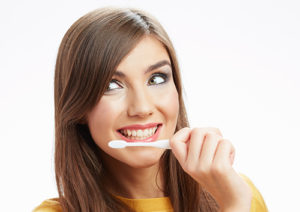 Getting your braces off is exciting. You’ve been working on your new smile for months or years, and it’s time for the trips to our San Diego, CA office to pay off. Can you imagine how bad it would be to discover that your teeth are straight, but that there’s decay?
 Today, Dr. Paul Taylor and Dr. Jann Manantan and our team at Paul Taylor DMD thought we would examine the relationship between osteoporosis and oral health, since 40 million Americans have osteoporosis or are at high risk. Osteoporosis entails less density in bones, so they become easier to fracture. Research suggests a link between osteoporosis and bone loss in the jaw, which supports and anchors the teeth. Tooth loss affects one third of adults 65 and older.
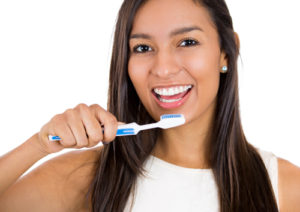 With so many toothpastes available in so many price ranges, it can be difficult to be sure you are selecting the right one for your needs. You need a product that not only protects against tooth decay, but also addresses any special concerns that Dr. Paul Taylor and Dr. Jann Manantan and our team have raised. Look for the American Dental Association seal and do some research to find the toothpaste that best meets your needs.
 Stress symptoms—which include high blood pressure, severe aches, and insomnia—may be affecting your health, even though you might not realize it. You may think illness is the culprit when in fact stress may actually be the reason. While stress can be good for us sometimes, Dr. Paul Taylor and Dr. Jann Manantan and our team know stress can be physically harmful. But what is often overlooked is that stress can also take a toll on your mouth. Here’s how:
 The Fourth of July is a great time to get together with friends and family members for BBQ, games, fireworks, and other celebrations in honor of our country’s independence. While your fellow revelers eat hot dogs and wave flags, you can impress them by sharing these fascinating facts and historical tidbits about some of our country’s traditions and symbols from the team at Paul Taylor DMD.
 Cigarette smoke contains more than 6,000 chemicals, and at least 200 of those chemicals are known to be harmful to your health. When smoke is inhaled, moist oral tissues are saturated with excessive amounts of carbon monoxide, hydrogen cyanide, and a host of other known carcinogens. Most oral cancers originate in abnormal squamous cell activity, which are cells found on the lips, inside the mouth, and in the throat.